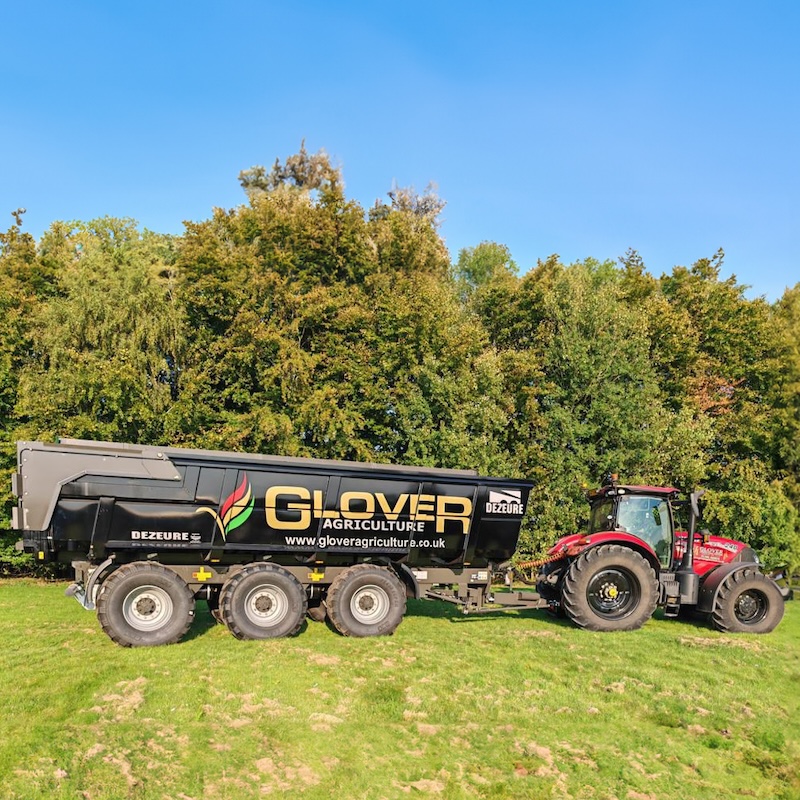
For many farming businesses, machinery is one of the largest investments they will ever make. A modern tractor, combine, or drill can significantly improve efficiency and productivity, but those benefits come at a cost. As equipment becomes more advanced and increasingly expensive to purchase, many farmers are asking whether owning agricultural machinery still offers the best value for money.
While owning machinery provides complete control over operations, it also brings a range of financial commitments that can place pressure on cash flow and profitability. Purchase costs are only the beginning. Maintenance, repairs, fuel, insurance, storage and depreciation all add to the true cost of ownership, often making machinery far more expensive than it first appears. This has led many farmers to reconsider how they approach machinery investment. Rather than tying up large amounts of capital in equipment that may only be used for a few weeks each year, agricultural contracting offers access to modern machinery and experienced operators without the burden of ownership.
If you’re wondering how much agricultural machinery really costs, and how it compares to using professional agricultural contractors, this blog will provide the answers.
The Rising Cost of Modern Farm Machinery
Agricultural machinery has changed dramatically over the past decade. Today’s equipment is larger, more powerful and packed with technology designed to improve efficiency and accuracy. GPS guidance systems, precision farming technology, variable rate applications and advanced monitoring systems all bring clear benefits, but they also contribute to higher purchase prices.
The cost of replacing machinery can often come as a surprise, particularly when businesses begin reviewing their long-term investment plans.
|
Machinery |
Typical Purchase Cost |
|---|---|
|
Mid-range tractor |
£100,000 – £180,000+ |
|
Large tractor |
£200,000 – £350,000+ |
|
Combine harvester |
£300,000 – £750,000+ |
|
Seed drill |
£40,000 – £150,000+ |
|
Cultivation equipment |
£20,000 – £100,000+ |
For many farms, a machinery fleet can easily represent several hundred thousand pounds worth of assets. Larger operations may have well over £1 million tied up in equipment before fuel is added or a field is worked. While these investments can be justified in some circumstances, the purchase price alone rarely tells the full story.
The Costs That Don’t Appear on the Price Tag
When you’re comparing ownership with agricultural contracting, it’s important to consider the ongoing costs that come with every machine. Depreciation is often one of the largest expenses. Machinery begins losing value from the moment it enters service, and although modern equipment can retain strong resale values, the financial impact over several years can still be substantial.
Maintenance is another major consideration. Even reliable machinery requires regular servicing, replacement parts, and occasional repairs. As equipment ages over the years, these costs often tend to increase, especially when unexpected breakdowns occur during busy periods such as drilling or harvesting time.
Insurance, fuel and storage also contribute to the overall picture. Machinery requires secure storage throughout the year, while rising fuel prices continue to affect operating costs across the industry. Labour must also be factored in, particularly when experienced operators are increasingly difficult to recruit and retain.
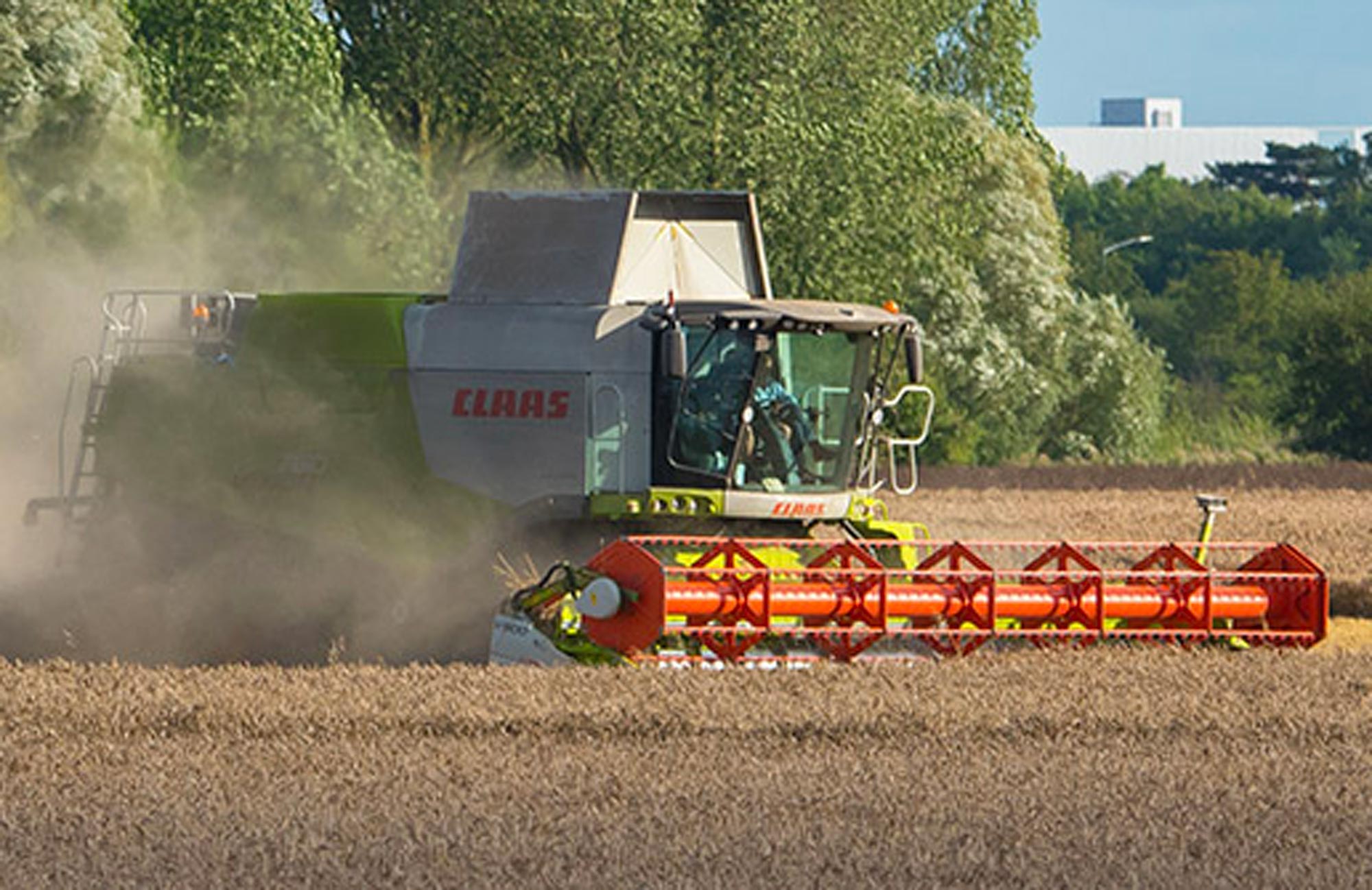
A combine sitting in a shed for much of the year may not be actively generating income, but it is still depreciating over time, requiring maintenance and still representing capital that could potentially be invested elsewhere within the business.
Why More Farmers Are Reviewing Machinery Ownership
Farming margins are under constant pressure. Input costs remain high, whether patterns continue to create uncertainty, and businesses are looking more closely at where capital is being spent. This has led many farmers to take a fresh look at machinery ownership, particularly for specialist operations that only take place during short periods of the year.
For example, harvesting equipment may only be used for a matter of weeks, yet the investment required can run into hundreds of thousands of pounds. Similarly, specialist drilling and cultivation equipment can represent significant expenditure despite only being used during specific windows of the farming calendar.
Agricultural contracting provides an alternative approach by allowing farmers to access the machinery they need when they need it, without taking on the full financial responsibility and ownership.
A Practical Comparison
Every farm is different, and there is no single solution that suits every business. However, a simplified example helps demonstrate why contracting has become an increasingly more attractive option for many farms.
Consider a 300-acre arable operation that owns and maintains its own machinery fleet.
|
Example Annual Costs |
Machinery Ownership |
|---|---|
|
Finance and depreciation |
£35,000 |
|
Repairs and servicing |
£10,000 |
|
Insurance |
£3,000 |
|
Fuel and operating costs |
£8,000 |
|
Total Annual Cost |
£56,000 |
Now compare this with a farm that chooses to outsource key operations through a trusted agricultural contractor.
|
Example Contracting Costs |
Agricultural Contracting |
|---|---|
|
Cultivations |
£7,500 |
|
Drilling |
£4,000 |
|
Spraying |
£2,500 |
|
Harvesting |
£8,500 |
|
Total Annual Cost |
£22,500 |
These figures are intended as an example rather than a fixed pricing guide, but they highlight the principle and estimated costs. While ownership provides complete control over the machinery, contracting can often reduce overheads significantly while still ensuring essential work is completed to a high standard.
The Benefits Go Beyond Cost Savings
While financial considerations are often the starting point, many farmers find that the advantage of agricultural contracting extends beyond simple cost comparisons.
Access to modern machinery is a major benefit. Contractors regularly invest in new equipment and technology, allowing customers to benefit from machinery that may otherwise be difficult to justify purchasing outright. This can improve efficiency, reduce downtime and support more accurate field operations.
Experience also plays an important role. Professional operators work with specialist equipment throughout the season and understand how to maximise performance in varying field conditions. During critical periods such as drilling and harvest, that experience can make a meaningful difference.
Flexibility is another factor to consider. Rather than being committed to a fixed machinery fleet, farms can adapt their strategy and approach as workloads, cropping plans and business priorities change over time.
Most importantly, contracting allows farmers to focus on managing their land and business rather than managing machinery, repairs and replacement schedules.
Is Ownership Still the Right Choice for Some Farms?
For larger operations with high machinery utilisation rates, ownership may continue to make financial sense. Some farms prefer the flexibility and independence that comes with having machinery available whenever it’s needed, while others adopt a mixed approach by owning core equipment and outsourcing specialist operations. The right solution depends on factors such as farm size, labour availability, workload and long-term business objectives.
What is important is that machinery ownership is reviewed regularly rather than accepted as the default option. With machinery costs continuing to rise, many farms are discovering that contracting can provide a more efficient and financially sustainable way of operating.
Looking Beyond the Purchase Price
When assessing machinery costs, it is easy to focus on the initial purchase price. In reality, the true cost of ownership includes everything from depreciation and maintenance through to fuel, insurance, storage and labour.
Agricultural contracting offers a different approach. By providing access to modern machinery, experienced operators and specialist expertise without the capital investment, it allows farmers to retain flexibility while controlling costs.
At Glover Agriculture, we work with farming businesses across Norfolk and the surrounding areas, supporting everything from cultivation and drilling to harvesting and haulage. As machinery prices continue to increase, more farms are recognising that contracting is not simply an alternative to ownership. In many cases, it is becoming one of the most practical ways to maintain productivity, improve efficiency and keep costs under control for the future. If you need expertise or advice on agricultural contracting, contact us. Our team are always happy to help and provide the most cost-effective solution for your farm.